

The Shrinking Living Space: How Smaller Homes Are Changing the Way Melbourne Furnishes and Moves
Why More Melbourne Homes Are Getting Smaller
Houses and apartments across Melbourne have been trending smaller for a while now, and it’s changing more than just how people live day to day — it’s changing what they buy. Furniture that worked perfectly in a previous home, a big family sofa, a solid wood dining suite, a freestanding wardrobe, often simply doesn’t fit in a smaller footprint. Rather than forcing oversized pieces into a space that was never designed for them, more people are planning their furniture around the home they’re moving into, not the one they’re leaving.
That shift starts well before moving day. Households are measuring doorways, hallways and room dimensions before they buy anything new, and choosing pieces based on what will genuinely fit and function in the new space rather than what looks good in a showroom. It’s a more deliberate way of furnishing a home, and it tends to pay off twice — once when you move in, and again the next time you move out.
It’s also a shift away from buying what you’d like to have towards buying what the space can actually support. A home with less square footage per room simply can’t absorb the same volume of furniture as a larger one, so households are learning to prioritise what a piece needs to do rather than how much of it they can fit in. The result tends to be a home that feels less cluttered, even when it’s genuinely smaller than the one before it.
Furniture That Earns Its Keep
The clearest trend in smaller homes is furniture that does more than one job. Instead of buying a couch, a coffee table, a storage unit and a spare bed as four separate purchases, households are increasingly buying pieces that combine several of those functions into one. It’s partly about saving floor space, and partly about not having to own four large items when two will do the same job.
Couches are a good example of how far this has come. Many now come with storage built in underneath the main cushions, giving you a place to keep blankets, cushions or out-of-season items without needing a separate cabinet. Sofa beds and daybeds take this further, doubling as a lounge during the day and a guest bed at night, which matters a lot in a home where a dedicated spare room simply isn’t an option anymore.
Tables and Desks That Adapt to the Room
Dining tables have had a similar rethink. Extendable tables that seat four day-to-day but expand to seat eight when needed mean households don’t have to permanently sacrifice floor space for a table size they only use a few times a year. Fold-down desks that mount straight to the wall work the same way — folded up, the wall space is free for the rest of the day; folded down, it’s a full workspace exactly when it’s needed.
For a lot of smaller homes, a dedicated home office has disappeared entirely in favour of using the dining table itself, or a compact desk that tucks against a wall when it’s not in use. It’s a small adjustment, but it frees up an entire room’s worth of space that would otherwise sit half-used.
Built-In Storage Beats Freestanding Furniture
Freestanding wardrobes, bulky bookshelves and TV units are quietly disappearing from smaller homes in favour of built-in alternatives. Shelving fitted directly inside a wardrobe cavity, a wall-mounted television instead of a TV unit, and bookshelves built into an existing wall recess all do the same job as their freestanding equivalents without eating into the floor space of the room. It’s a shift that’s easy to overlook, but it adds up to a noticeably more open feeling in a smaller home.
Coffee tables and bench seats are getting the same treatment. A coffee table with a lift-up top for storage, or a bench seat that opens to reveal space underneath, gives a room two functions in the footprint of one piece of furniture — useful as a seat, a table, and storage, depending on what the moment calls for.
Small Furniture, Smaller Moving Costs
There’s a practical upside to all of this that goes beyond fitting furniture into a smaller room: it makes moving noticeably easier. Smaller, modular and multi-purpose furniture fits through doorways without having to be disassembled, carries more easily down a narrow staircase or into a lift, and takes up less room on the truck — which matters a lot for apartment moves where parking and access are already tight.
It also tends to be lighter on the wallet in two places at once. Buying less furniture, and furniture that serves more than one purpose, usually costs less upfront than furnishing every function separately. And because it’s easier and faster to move, it can bring down the cost of the move itself too — a job with fewer, smaller and easier-to-handle items is generally quicker for a crew to load and unload than the same square footage filled with oversized, single-purpose pieces. It’s worth checking furniture removals prices with your specific inventory in mind, since the size and volume of what you own has a direct effect on the final number.
This matters even more for apartment living, where a lift booking window or a narrow stairwell can add real time to a move regardless of how much you own. A wardrobe with built-in shelving that ships flat-packed and reassembles on arrival, or a sofa bed that separates into two lighter sections, can be the difference between a job that clears the lift booking comfortably and one that runs over and needs a second trip.
Choosing Furniture With Your Next Move in Mind
The households getting the most out of this approach aren’t just buying smaller furniture reactively when something doesn’t fit — they’re thinking ahead to the next move before they buy anything at all. Compact, multi-purpose pieces from furniture removalists Melbourne households already trust to handle carefully are proving to be a smarter long-term investment than a house full of large, single-use furniture that becomes a problem the moment your living situation changes again.
If you’re planning a move into a smaller home, or you’re simply reworking your current space to make better use of what you’ve got, it’s worth treating the furniture decision and the moving house decision as one plan rather than two. Buying with your next move in mind, not just your current room, tends to save money, space and hassle on both ends.
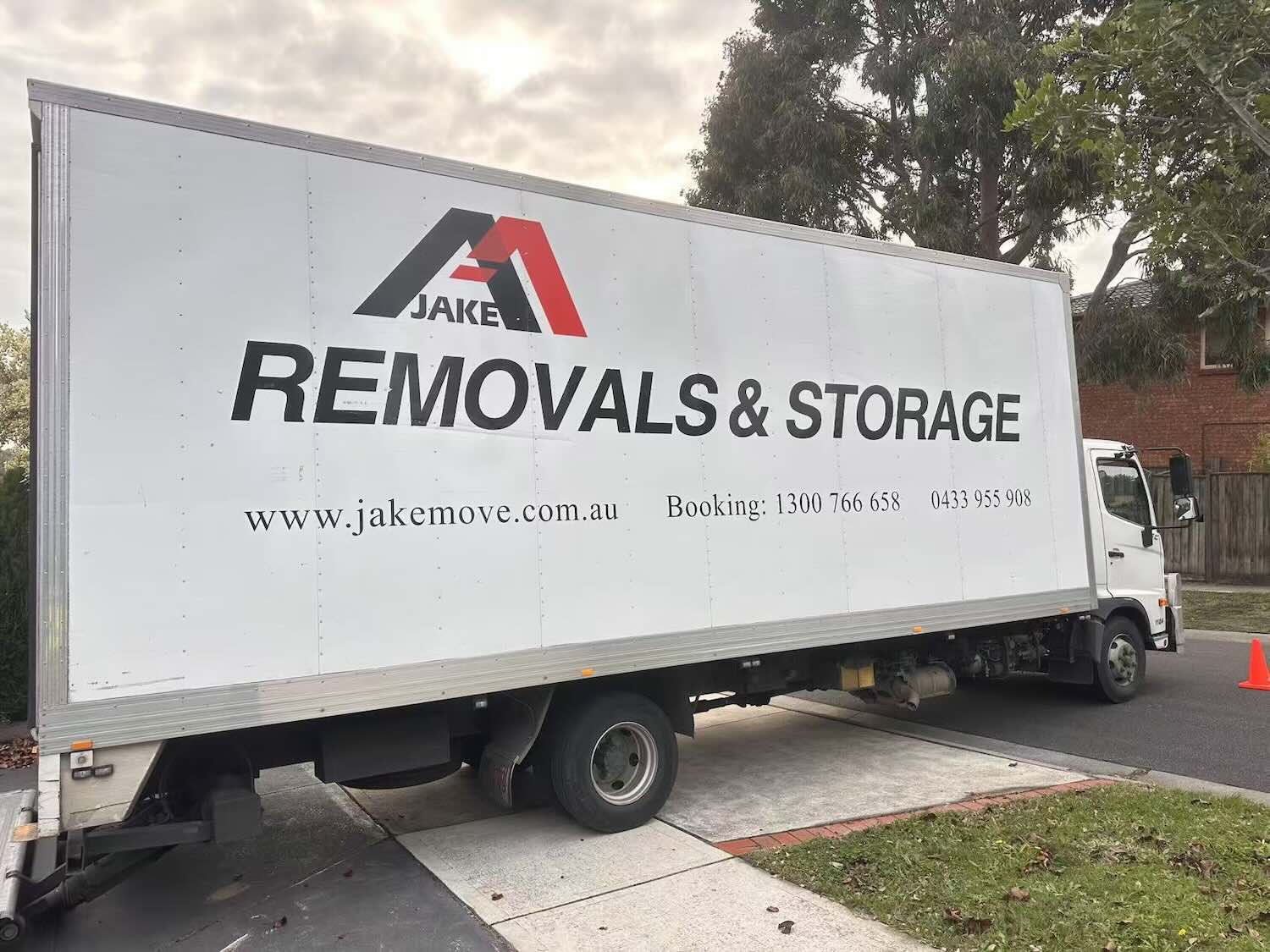
Jake Removals & Storage provides local, interstate and office removals across Melbourne, along with short and long-term storage for households in between moves or working through a downsize. The team is experienced with the tighter access, lifts and narrow stairwells that come with smaller homes and apartment buildings, and quotes are built around your actual inventory rather than a rough room count. If you’re planning a move into a smaller space and want an accurate quote, get in touch with the team for a free assessment.
